Martyn White | Thursday, 2 November 2023
When I started tying flies, I used to go to the library and get fly tying a book out then try to tie the flies with varying levels of success. I can't remember the title of the book, but it was small, had no photos just reproduced ink drawings of the tying steps, the first fly was a chomper and it was already fairly old back in the early 1990s. I've speculatively bought a few old publications over the years, never managed to get it, but like I say it was old back then.
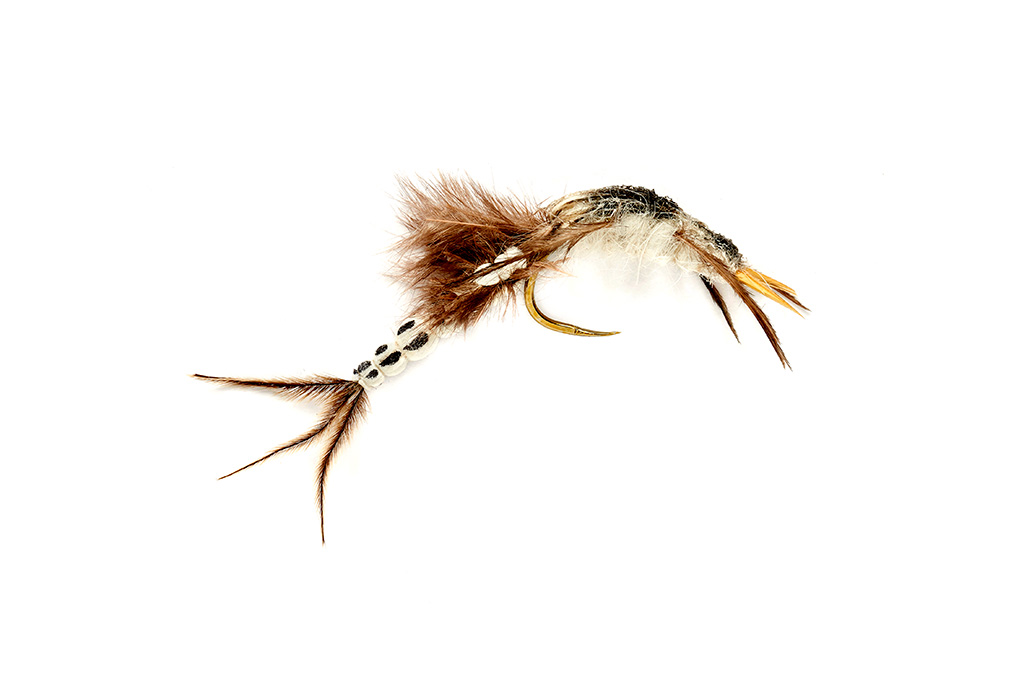
The reason I'm mentioning this is that the book also had "wiggle nymphs" in it. I've not really seen any since then -certainly I've never seen anyone using them - and this week I've seen loads of them on social media. A few of them were the usual folk thinking they'd invented something interesting but a few of them were pretty cool looking. It got me thinkning about the idea, it has an appeal and about why they never really seemed to catch on. It's not that they don't catch, they do although maybe not any more than a non articulated nymph.
It might be the hassle of tying them, especially considering the limited hook shapes and attachment options that were available way back in the day. I remember tying them, and being pretty disappointed in how little wiggle was going on but nowadays there are more options which might allow them to really work as originally imagined. The only "modern" version I can think of is Ollie Edwards' mayfly nymph, and I can see some advantage in the collapsability on a really big nymph like a danica. That said, maybe now lighter shanks and solid connections are available it's something that might develop in smaller flies beyond novelty, but I wouldn't hold my breath.
Anyway. If anyone has any ideas on the title of my mystery book, I'd love to hear it.