Graeme Christie | Tuesday, 29 September 2026
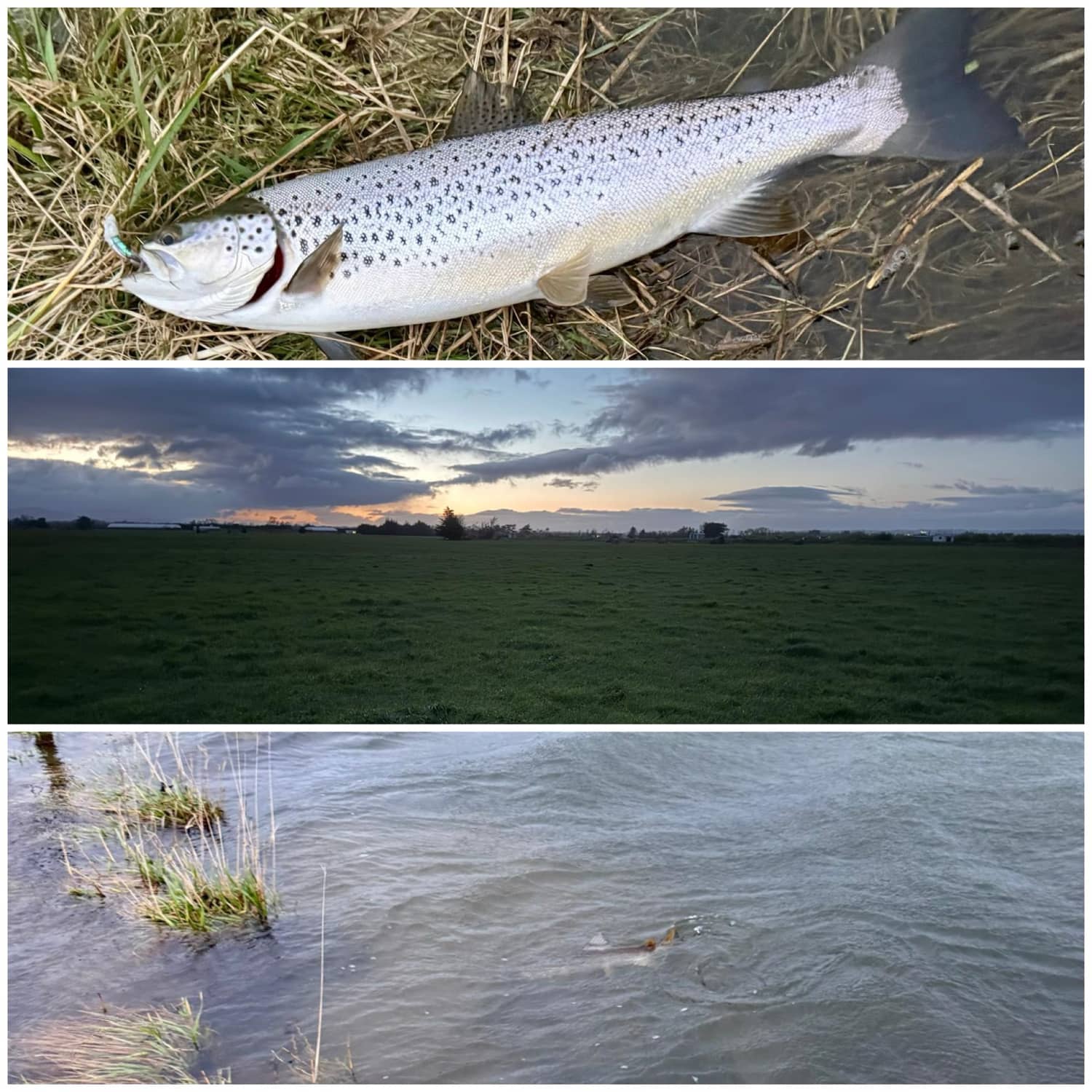
Back in the South Island of NZ. Two fish. One lost. Another three or four that bit and didn't stick. On the smelt patterns I tied in an earlier piece, on the first proper evening I've had with them. So the box works. Sort of.
The river was high and murky. A big flow, well over the median, and the wind had been pushing the surface around all afternoon so the mud from the edges was in the water too. Moody. The sort of water where you can see your fly but it's not easy, and the trout can see but not as much as normal, which I find can be a good combo for successful fishing, albeit the wind was gusting up to 26 kts which is not comfortable fly fishing weather.
Wind was the main problem. About 30 kilometres an hour, mostly across, and higher speed gusts at times. I ended up on the 10 weight. Overkill, and I knew it was overkill, but it punched the line through the gusts and I stopped thinking about casting and started thinking about fishing. A 10 foot 1X tapered leader with another six feet of 1X added to the streamer. Long. I find it works and keeps the fly looking realistic in its movement, which leads to fish action. I should have been fishing a floating line but I only had my sink tip line for the 10 wt and it wasn't catching bottom often so I kept at it.
White won. I had a couple of patterns in the box, the flashy smelt with the green flash body and a foam Rapala-looking version in three different colours. What I can tell you is that white got the bites, and the darker stuff did nothing. Although that is different to other times in this location. Maybe the smelt are in, as I was thinking, and hence why it worked. Or I fished it like I owned it and made it happen. It was satisfying to see my ties working though. They are based off fly fishing guide Martin Langlands' videos on fly tying, which I found very good and well worth watching. I had my Vivid and drew eyes on the patterns.
The fly changed as the evening went on. Early on I was getting takes and missing them. Short takes, a nip and gone. I cut the tail back. The bites turned into hookups, or at least into fish that stayed on long enough to count. Then the fly started falling apart. The wire wrap that holds the body together gave up and the whole thing went ragged, fibres everywhere, nothing like the tidy thing on the vice. And it kept catching. If anything it looked more alive in the water than the neat version had. It was a lesson in keeping going, and in how the fishing often changes at a point, and when it does you get into it. That is your time to catch.
The honest answer is I don't know whether the ragged fly was better or the time of day was better. Both fish came within twelve minutes of each other, a couple of hours after the evening high, on the ebb. That's when they came. Whether they'd have come to a tidy fly at the same time, I have no idea. I'll probably tie a few deliberately scruffy ones and find out, which is the sort of experiment that only works if you keep notes.
The first fish was the bigger of the two, silver as a coin, obviously fresh from the sea. The second was smaller and also sea run. Same fly, twelve minutes apart, two different animals. A top afternoon and evening of fishing. Smelting trout makes for excellent fishing at this time of year.