Tracy&James | Sunday, 15 May 2022
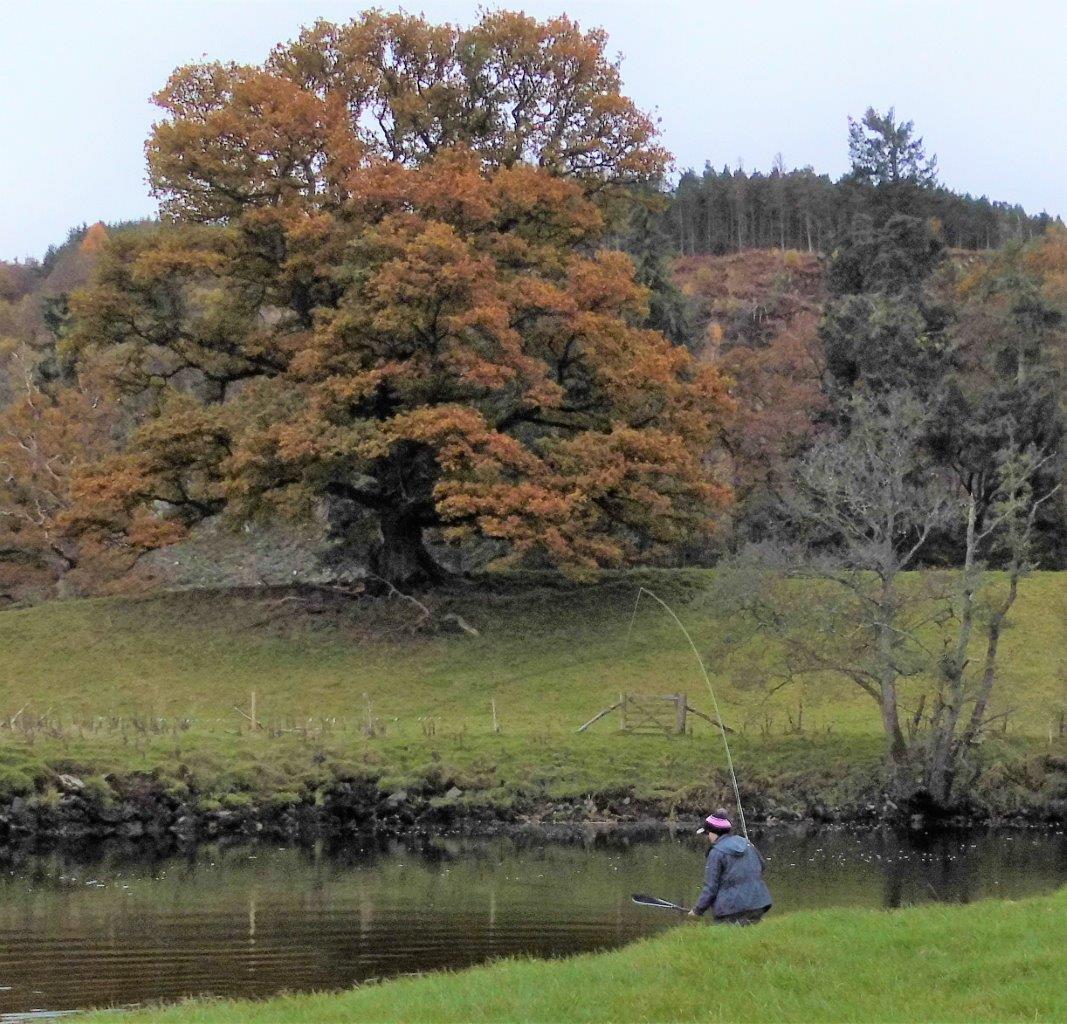
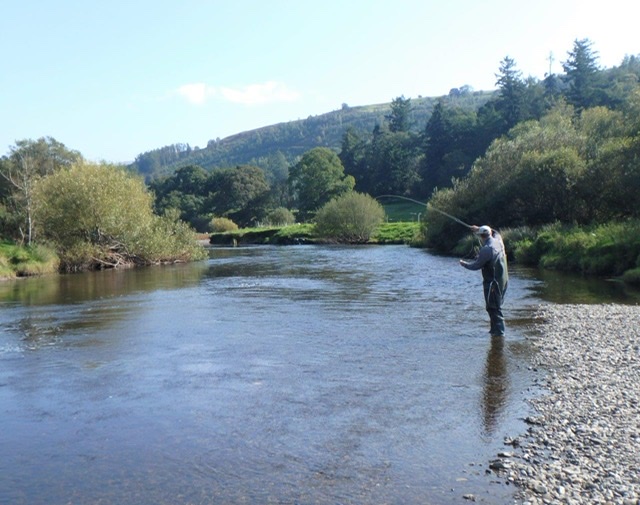
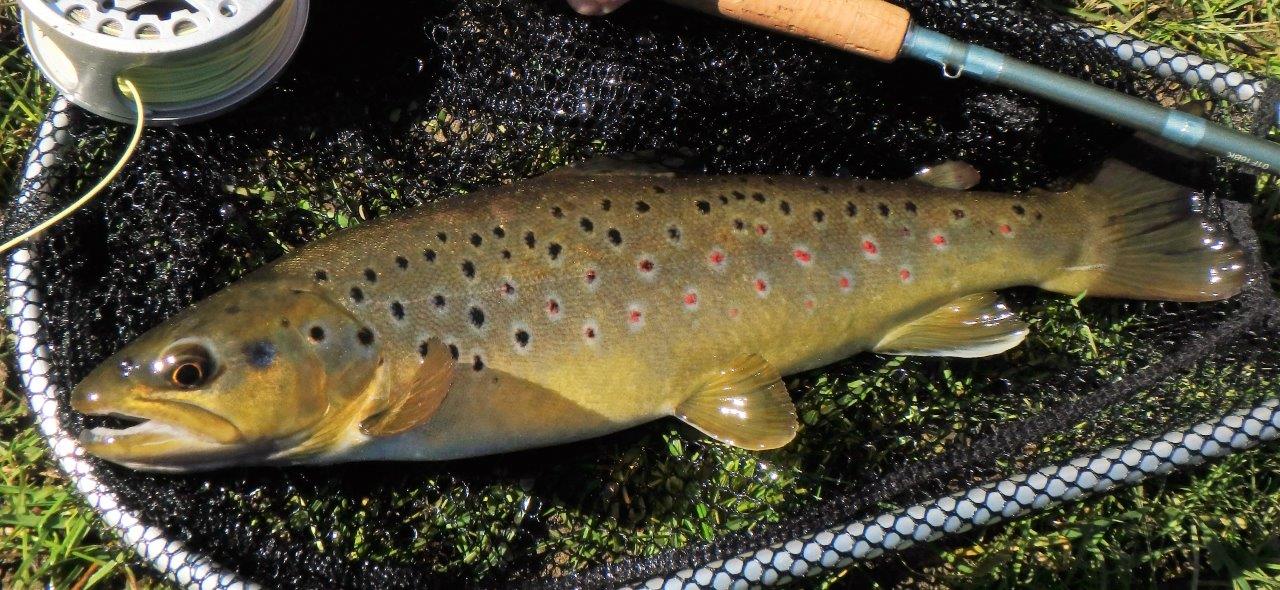
Fishing on the Welsh river Dee is one of my favourite activities. If I could, I would fish several times a week. It’s not just the chance of catching a beautiful brown trout, but the wildlife that you might see, kingfishers for example are fairly common sight. It’s also the times you catch up with another angler that you haven’t seen for a while. However besides the ‘pros’, there are some ‘cons’ of fishing the Dee, or most rivers in the UK today. Sadly James succumbed to one of these ‘cons’ and spent last week (unfortunately his birthday week) feeling pretty grim, not eating and not wanting to be more than 30ft from the nearest toilet.
 I’m talking about the fact that many sewage plants, other industries and private dwellings discharge into the UK rivers, normally with ‘agreements’ with the local water companies, but more often accidently due to flooding or other issues. The Sewage Map | The Rivers Trust website shared by another angler was enlightening to me about how many such discharges occurred during 2021. These accidental discharges can lead to ahigh potential for an angler to be exposed to pathogenic bacterium such as E-coli or Cryptosporidium, or possibly some viruses such as Hepatitis A or C, due to untreated sewage in the river. This can also be as a result of farm animals either defecating in or near to rivers, or dying in them – I have often seen dead sheep decaying in the river Dee. Recently on one of my walks along a local river, I saw white weeds moving in the flow and then realised it was toilet paper – I was just down-stream from a sewerage plant! Yuk! Thankfully I was walking along and not in the river at the time!
Now we as anglers are aware of typical micro-biological threats such as Weil’s disease (also known as Leptospirosis – exposure to infected animals’ urine, often rats, in watercourses that can get into open wounds or ingested through the mouth or eyes)and also the threat of falling in, drowning, etc. For these potential threats we take certain measures to prevent or reduce the likelihood of being injured, by ensuring open wounds are covered, checking the river conditions before fishing, wearing life jackets, etc.
However, are we aware that fishing UK Rivers is now a threat to our health, generally causing gastro-enteritis issues? I am aware of a pretty serious health situation a friend experienced this year following a dip in a local river. Also besides the most recent episode for James, he experienced a previous similar event a year ago.
Following this, we re-evaluated our fishing trips and ensured that if we ate or drank anything, we cleansed our hands with sanitiser before doing so. This appeared to work, until this time – so in future we only intend eating food that we can consume out of the packet or wrapper, so there will be no contact at all. Also, I’m now concerned that when we’re in the river, if we need to change fly, we tend to hold the tippet in our mouthsespecially when pulling knots tight. This potentially exposesourselves to any contaminants that the tippet has been pulled through in the water. I can only envisage that this is how James became ill this time as that was the only potential source of exposure to microbiological pathogens during the trip. So now I am trying to determine if there’s more we can do to protect ourselves when fishing.
I would prefer that we didn’t have to and the first rule of risk assessment is to eliminate the ‘hazard’, however as the water companies do not seem to be doing much to control the accidental discharges from spurious companies and prevent bacterium or viruses entering our rivers, then as anglers we have to work out how to minimise the risk of ingestion whilst fishing. So one of my ideas, not yet tested, is to have anti-bacterial wipes with us to clean the tippet before retying on a new fly.
In a future FP, James or I will advise on whether this is feasible… Either way I won’t stop fishing the UK rivers, but the sewage map website has made me more aware of the beats thatare prone to discharges and hence where to avoid, or take extra care.
Whatever you do this week, please take care and tight lines,
Cheers
Tracy