Martyn White | Thursday, 19 February 2026
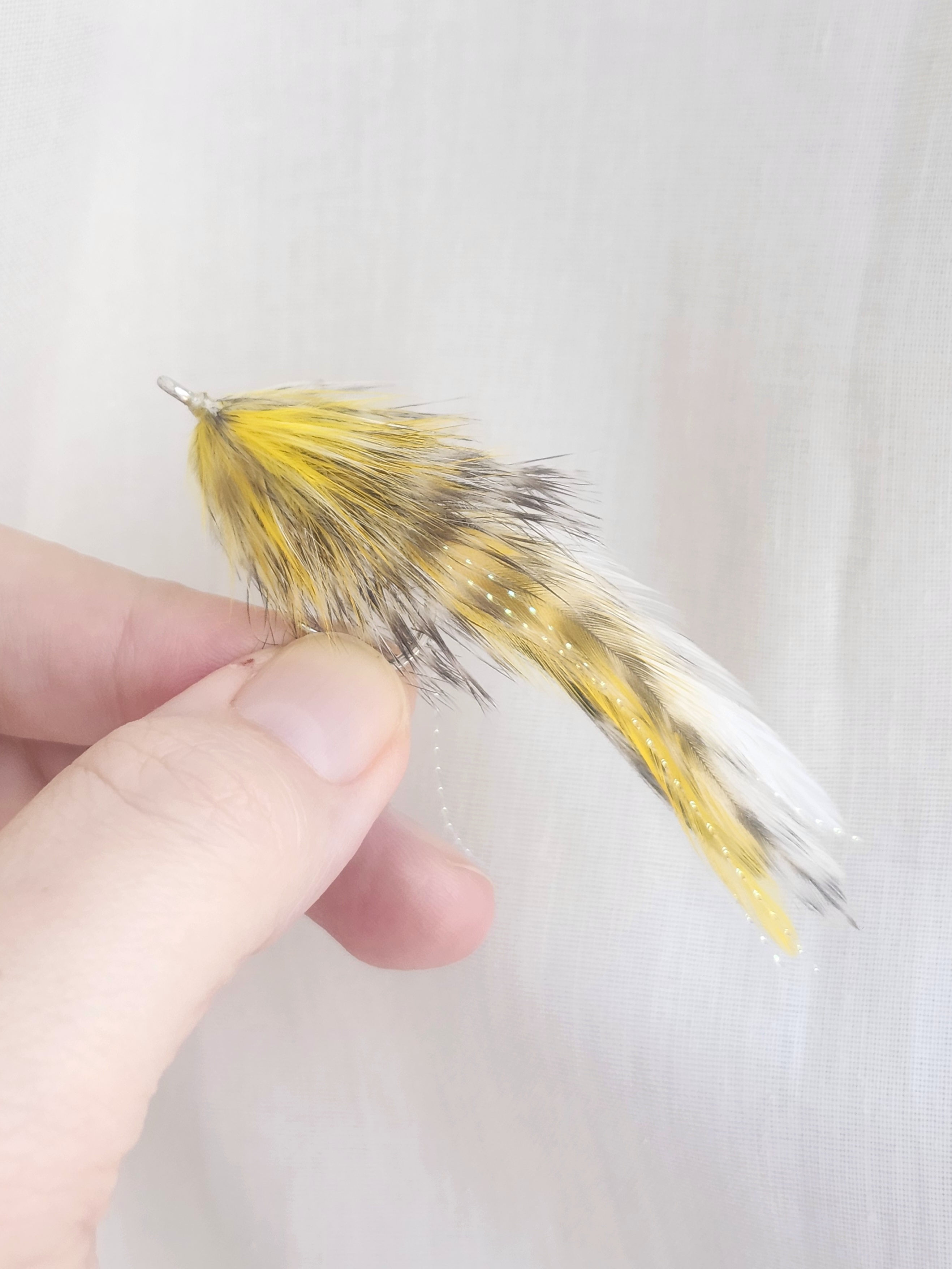
This week I think it’s time to revisit a true classic of the saltwater genre. The Homer Rhode hackle fly or as it’s commonly known nowadays the Seaducer. It’s an exercise in versatile simplicity that remains, to this day, hard to beat in many situations.
The fly traces its roots to Homer Rhode Jr’s vice. In the 1940s it was developed largely as a tarpon fly but proved to be useful for other species Rhode would have encountered in the everglades. The hackle fly/tarpon streamer remained a deadly and influential pattern for many years with many derivative patterns being developed from the original design, flies like Bob Pop’s semper fleye, Chico’s crytal shrimp and the older keys style tarpon flies obviously owe a lot to Homer Rhode’s original. You could probably argue that whistlers and things are an evolution of his flies too! It wasn’t until, I think the 80s or 90s, that the fly was renamed the Seaducer, probably by Chico Fernandez although I’ve seen other names thrown around over the years. Chico’s renaming and promoting of the fly along with appearing in Lefty’s books in various guises including his subsurface bass fly did it no harm. But It’s sadly fallen from the limelight a bit in the last couple of decades.
This is natural of course, many of the newer patterns look more lifelike to us, especially when held in the hand. And while that might explain the move away from this old-school fly, it doesn’t necessarily mean these new patterns actually look more lifelike or edible to fish. For me that’s what’s important and a large part of the Seaducer’s appeal is that it’s got that non-specific prey item image about it. It breathes and is full of life, whether that’s swimmy movement of a fastish strip or little micro movement as you twitch it and let it hang. It just looks alive and edible.
Recipe:
Hook: SW 6-6/0 (actually anything you want will do)
Thread: Flat waxed nylon or monofilament
Tail: A few Chinese saddle hackles (and a bit of flash if you want)
Body: A few Chinese saddle hackles.
You can use schlappen or neck hackles if you want thicker or spikier hackle. I really think for all but the largest patterns the cheaper hackle works better- those lovely flatwing saddles and the like are just wasted on smaller seaducers up to about 4-5” long. So think strung saddle or maybe the whiting American rooster saddles. Even those little Indian rooster saddle patches can be fantastic for seaducers, especially when you want something varianty for shrimp or something.
It's incredibly versatile too, as standard it can represent small baitfish, shrimp or squid. The heaviness and choice of hackle in the collar dressing lets you adjust the sink rate. It can be weighted with any of the usual options depending on the action you’re looking for. Tied small -say size 6- with bead chain or dumbbells it makes a great little bonefish shrimp or smallmouth bass crayfish pattern depending on the colour. Tied big on a longish 4/0 with long schlappen instead of saddle you’ve got a great pike fly that can be weighted or take a popper head and is so quick to tie you won’t care when it gets chewed up. If you want a big old dredger for dirty water jungle fish, a densely hackled black number with some weight added will do you as well as many fancier options. With so many patterns using modern synthetics and flash, difficult to get high end bucktail not to mention requiring a fair bit of skill or a steep learning curve for newer tiers and anglers, I think it’s a good idea to remind people of this simple relatively foolproof fly that can be tied up in a couple of minutes and will reliably take a great many species around the globe.